
You likely understand the differences between a smartphone and a landline phone, as per IBGE data from 2016, 92.3% of households in Brazil had at least one person with mobile phone access. However, the telephony market is vast and offers many more options and functionalities beyond just mobile or fixed phones.
In today’s globalized world, with its myriad possibilities, people and businesses are relocating to distant places while maintaining their operations through remote work and videoconferencing. Therefore, it is crucial for companies to have effective audio and video transmission equipment for their meeting rooms, as this not only saves on high travel costs but also time—a precious resource in the business world.
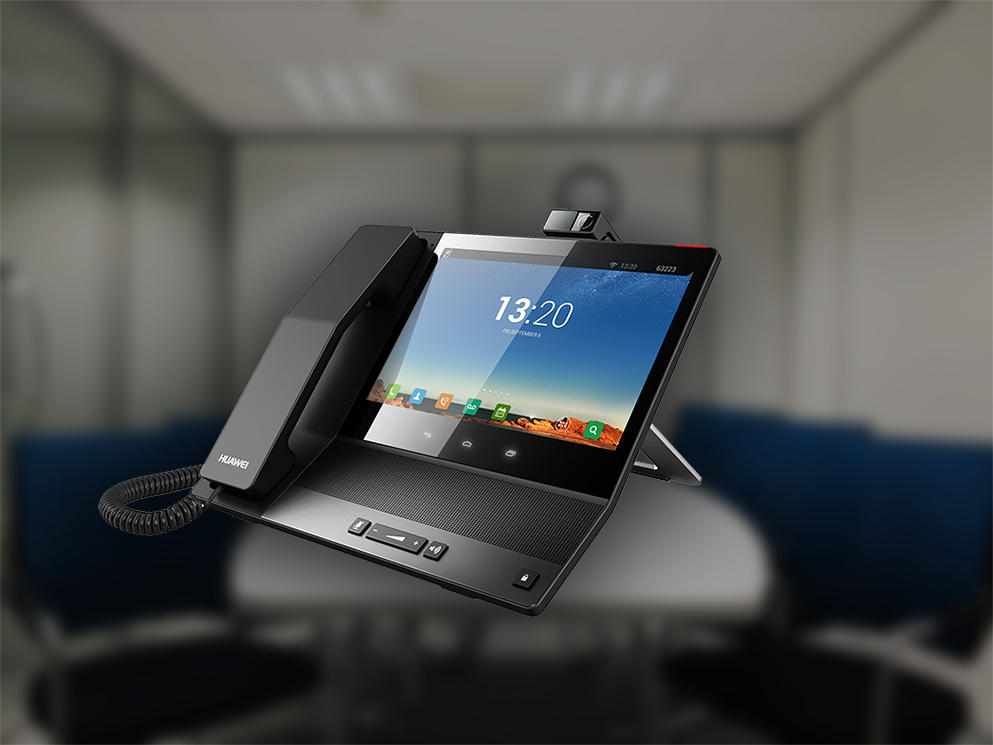
This is where videophones come into play, which are specialized devices designed for use in meetings and videoconferencing, typically featuring all the necessary configurations for a pleasant audio and video conference experience.
Operating System
The majority of videophones on the market already include an integrated operating system with useful meeting apps, offering a simple and intuitive user interface, as many devices use the same system found in smartphones.
Look for Key Features
If you want a smooth and trouble-free videoconferencing experience, look for a videophone with:
- Built-in HD camera(s);
- HD audio for audioconferencing (check if the videophone has ambient noise removal capability and microphone range, so you can speak clearly during meetings without needing to be close to the device);
- HDMI connectivity for projection on a TV;
- Wi-Fi and network ports;
- USB and Bluetooth for file transfers.


