
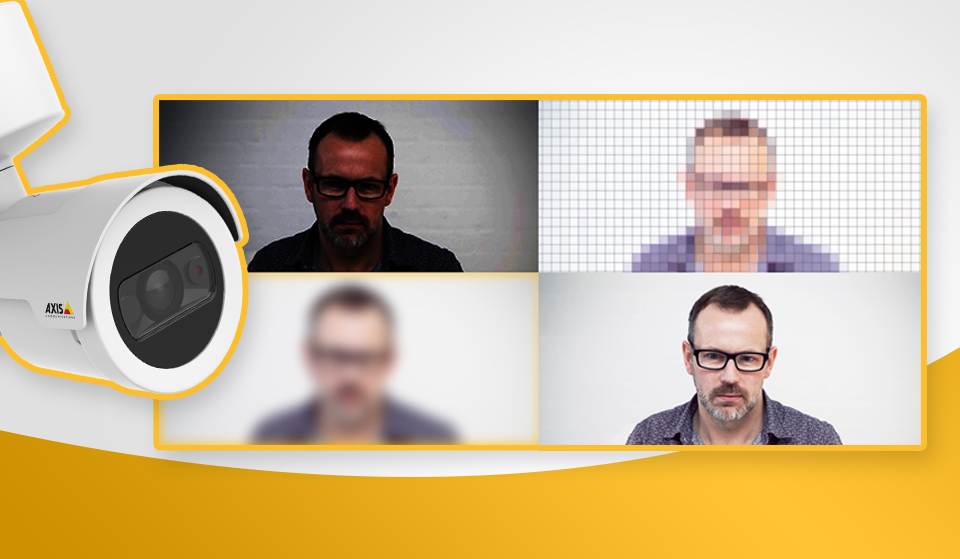
Low lighting, lens focus, resolution, infrared capture, and equipment positioning are key aspects to consider when structuring CCTV projects.
However, beyond defining environments and equipment characteristics, it is crucial to determine whether the project includes requirements for detecting, recognizing, or identifying people and objects—each representing distinct variables that influence project design.
Detect
The concept of detection in digital video capture relates to the number of pixels a body can occupy. Typically, detection projects contain basic specifications because capturing different bodies in a monitored environment is a simple functionality that does not require analysis of what or who the body is. However, it is necessary to integrate image capture with a software solution that includes basic features to analyze when a different body is present in the environment.
Recognize
Generally, a project requiring recognition through video capture involves more advanced specifications than simple detection.
Recognizing a body goes beyond detecting it, as it involves analyzing what the body is—such as whether it is a small or large animal, an object, or distinguishing between gender, height, and other human characteristics.
To perform body recognition in a project, lighting specifications, lens focus, and resolution must be carefully considered, although modern CCTV cameras and equipment are often capable of performing this function. Additionally, specialized software is required to analyze the captured images.
Identify
Identification is the most advanced method for digital video capture, as it not only recognizes body characteristics but also identifies the person/object as a unique entity.
This concept is typically used in video intercom and access control systems. In addition to high-quality cameras, positioning, lighting quality, focus, resolution, and specific features like WDR/lightfinder must be considered.


