
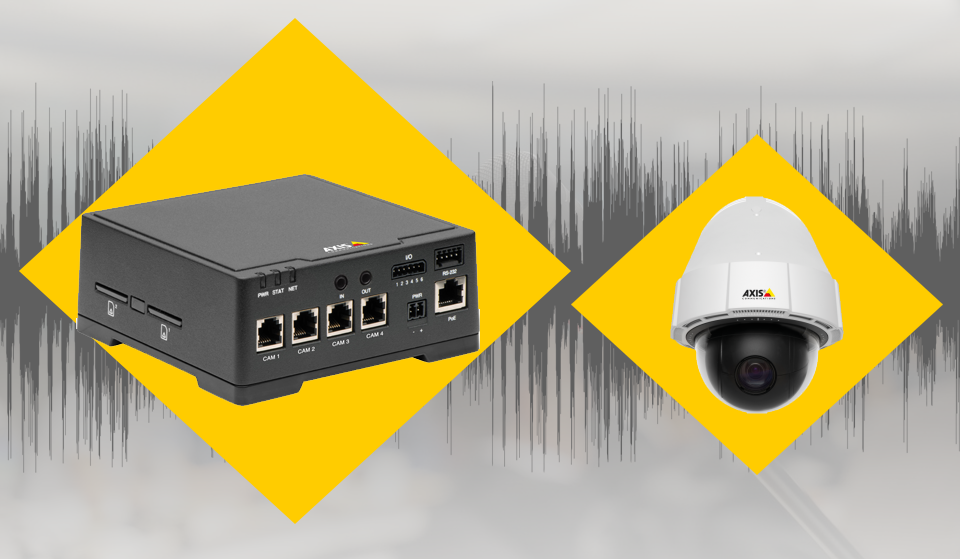
In this article, we highlight several advantages and tips for implementing audio capture systems in surveillance solutions. Currently, the market features numerous camera models with built-in microphones that integrate with VMS software to achieve diverse objectives.
The importance of sound capture
Audio capture synchronized with video surveillance enhances monitoring precision by allowing spoken information to be analyzed alongside the video context. This practice is particularly useful for forensic projects, though specific audio regulations must be considered to protect monitored individuals, varying between public and private settings. Always verify these regulations before implementing audio functionality.
For implementation assistance—especially in projects requiring audio activation at specific times or locations—brands like Axis develop monitoring equipment with adjustable audio sensors that can be easily disabled if needed.
Audio detection alarm
In perimeter protection environments, audio systems can be effective by using audio sensors as alarms to detect unauthorized users or objects. Today, many video management software solutions allow this functionality to work alongside CCTV cameras, enabling predefined sound patterns for the sensor’s installation area. If the sensor detects something outside the expected sound profile, it can trigger an alert to the monitoring center.
Through this alert, the surveillance software can automate responses, such as starting audio and video recording. Additionally, installing an audio sensor can assist video monitoring by generating alerts in low-light areas where cameras struggle to capture clear images—or even by directing a PTZ camera to a predefined location.
Installation
As previously mentioned, many camera models already include built-in audio capture sensors. Axis, a manufacturer of CCTV equipment, offers a main unit module that connects audio sensors to video capture modules. Additionally, their product catalog includes the Axis C8033, an audio link that connects analog audio systems to an IP network—where Axis cameras connect.
Finally, here’s a key tip on installation location: Axis recommends placing audio sensor-equipped devices away from sharp-edged surfaces, such as near a ceiling close to a wall, as these areas can cause sound distortion due to echo from the material.


